
Made to last
Extended device
lifecycles
Inclusive connection
is energy-intensive
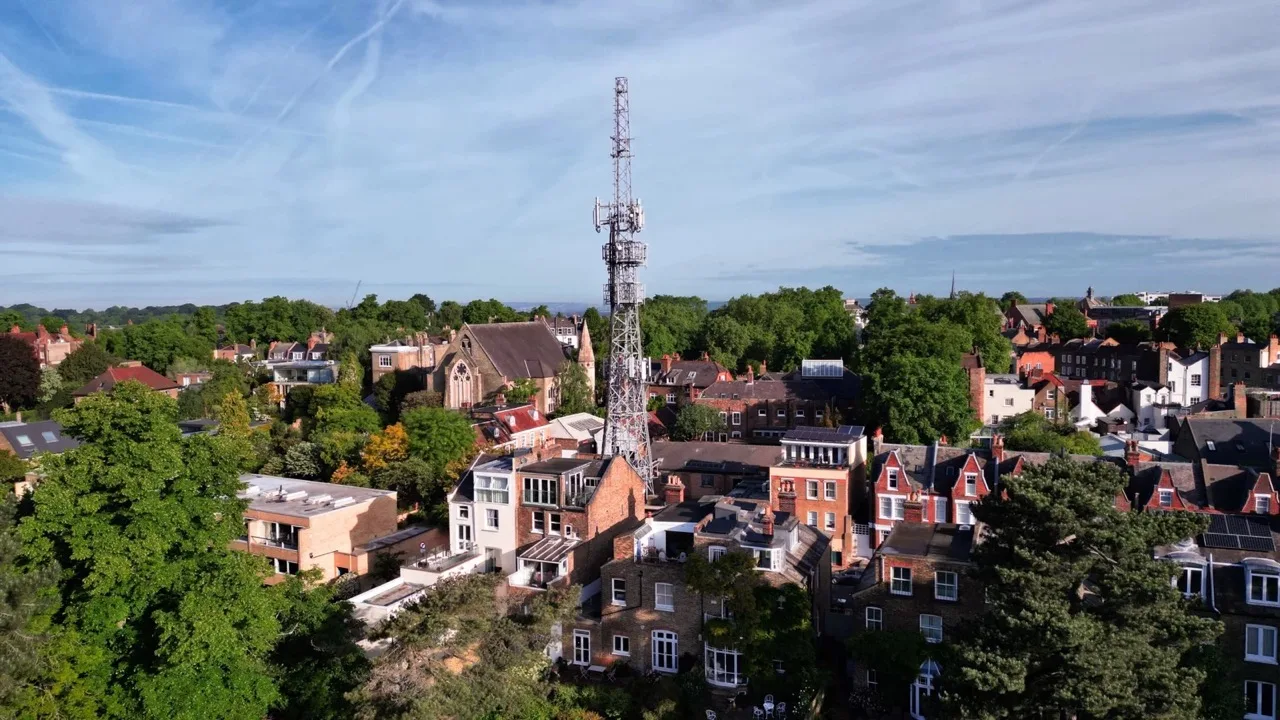
To meet the growing demand for connectivity in an era of 5G and AI, telcos must expand both coverage and capacity. But doing so relies on extensive infrastructure, from masts and data centres to devices and supply chains – each of which contributes to the sector’s environmental footprint.
The key conundrum remains: how to balance the benefits that high performing networks and devices can bring, with the energy intensity and material demand needed to build and maintain them? All while protecting operations and supply chains from extreme weather events or unexpected shocks.
The answer lies in building networks that consider their own role in the environmental ecosystem, alongside devices that can stand the test of time. Through improved energy efficiency, extended lifecycles and reduced greenhouse gas emissions, the telecoms sector can ensure it makes the right kind of impact – both for its customers and the environment.
A resilient, renewable,
responsible network
While decarbonisation is a necessity for the climate, it’s also the right business choice for VodafoneThree, and the nation more broadly.
Reducing our environmental footprint will help strengthen our operations. Which is why, despite the complexities of bringing two large organisations together, we have maintained our shared aims of achieving net zero across our operations (Scope 1 and 2) by 2027, and across our full value chain (Scope 3) by 2040.
While we remain on track to achieve the former, integrating two supply chains has placed short-term pressures on Scope 3 emissions. Nevertheless, we are taking steps to address this, ensuring our progress on emissions reductions keeps pace with the growth and evolution of our network.
Following the merger of Vodafone UK with Three UK on 31 May 2025, we have undertaken a rebaselining exercise to align methodologies and present a consistent, combined view of emissions across VodafoneThree.
Our Scope 1 emissions
Direct emissions from our own operations
VodafoneThree’s Scope 1 emissions mainly come from the fuel and gases used to operate and maintain our network. This includes:
- Fuel used in company vehicles and engineering fleets
- Backup generators supporting network resilience
- Refrigerants used in cooling and fire suppression systems at network sites and data centres
VodafoneThree Operational Emissions (tCO2e)
Since our FY20 baseline, we have reduced our operational (Scope 1 and 2) emissions by
88%,
driven by a robust net zero strategy spanning energy efficiency, renewable electricity procurement and the phase‑down of high‑impact refrigerants.
Our Scope 2 emissions
Emissions from the electricity we use to power our network
We operate one of the UK’s largest digital networks, so electricity use is a fundamental part of us being able to deliver connectivity at scale. Our Scope 2 emissions are the largest source of our operational emissions, driven by:
- Mobile and fixed access networks
- Core network infrastructure
- Data centres, offices and retail sites
Our Scope 3 emissions
Indirect emissions across our value chain
Scope 3 emissions are the largest part of our overall footprint and span our entire value chain. From how our network is built to how customers use our products, this includes:
- Manufacturing of network equipment and devices we purchase
- Goods and services provided by suppliers
- Use of devices and data by customers
- Waste treatment and end-of-life of equipment
VodafoneThree Scope 3 Emissions (tCO2e)
Not visible due to size:
Waste generated in operations: 0
Investments: 0
End-of-life treatment of sold products: 0
As a newly merged entity, integrating two distinct supply chains has limited our ability to clearly isolate year-on-year Scope 3 performance. Our current footprint is also still partly modelled using spend-based data, which can obscure underlying trends.
To address this we are working closely with strategic suppliers to transition towards the use of activity-based data and Product Carbon Footprints for key categories. In turn, this will improve our ability to target key carbon hotspots within our value chain.
For further information please see Vodafone Group’s ESG Addendum Methodology 2026 (investors.vodafone.com/esgmethodology)
Our other key priorities
Energy efficiency and renewables investment
A lower-impact network relies on us using energy as efficiently as possible. After all, the most sustainable energy is that which we don’t use in the first place. Maximising energy efficiency therefore sits at the heart of our environmental approach.

We have reduced energy consumption by nearly
25%
over the past nine years – the equivalent of powering nearly 100,000 homes.

We have invested more than
£100m
in UK-based renewable energy and decarbonisation initiatives over the past decade.
We are ready to invest more, though we need the right market conditions to do so.
Climate adaptation
To ensure the resilience of our network infrastructure, we work directly with the Environment Agency and British Geological Survey to overlay our network rollout plans with climate-related risks.
This lets us identify the mitigations needed to maintain consistent network coverage, including additional measures for vulnerable consumers and communities.

The cost of climate adaptation in the UK is already estimated to be between
£5-10bn
by 2050, with rising costs from winter storms and flash floods directly affecting our ability to maintain reliable, nationwide coverage.12
Device circularity
As the UK’s largest mobile network operator, we have a huge opportunity to help address the UK’s growing e-waste challenge.

61%
of Brits say they would willingly buy a refurbished device. However, whilst rapidly growing, refurbished devices currently represent a minor part of our total handset sales.
As the UK’s largest mobile network operator, we have a huge opportunity to help address the UK’s growing e-waste challenge. To capitalise on this opportunity, we need to meet customer demands with a supply of high quality devices that can help stimulate the transition to a more circular device economy.
This is why we are continuing to evolve our approach to trade-in and reverse logistics, while helping customers extend the lifecycles of their devices through the UK’s only Lifetime Service Promise on Vodafone and our in-store ‘Fix and Go by Vodafone’ service.

We’re connecting communities with technology that can help turn data into decisions.
Improving 5G energy efficiency, with Ericsson
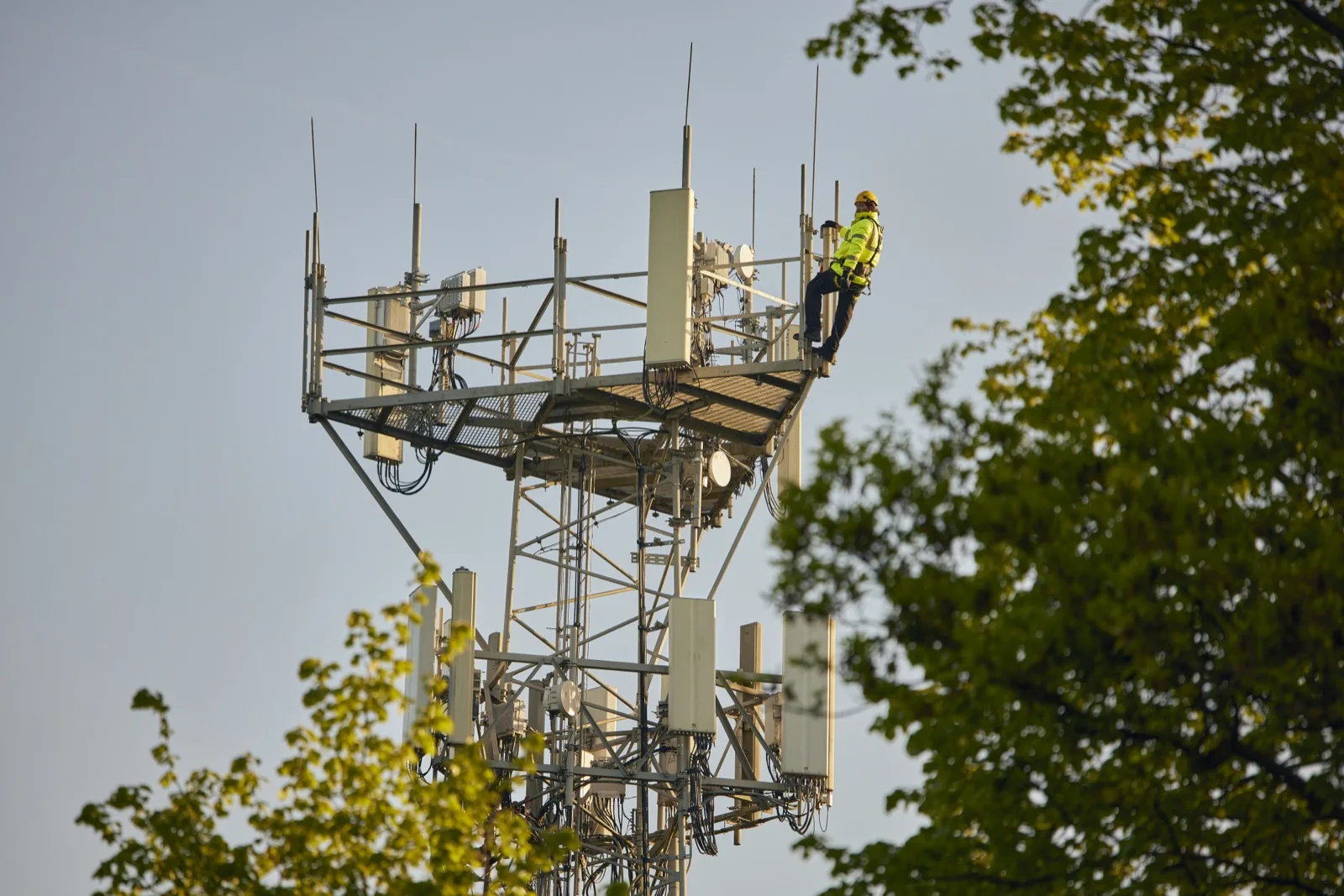
Vodafone UK and Ericsson achieved a significant milestone in their network sustainability efforts by successfully reducing daily power consumption of 5G Radio Units by up to 33% at select sites across London. As part of the trial, Vodafone implemented three key use cases:
5G Deep Sleep: AI-powered predictive algorithms that allow radios to enter an ultra-low energy hibernation state, saving up to 70% energy consumption during low traffic hours.
4G Cell Sleep Mode Orchestration: Creates a behavioural model of network cells to optimise sleep parameters, automatically balancing energy savings and performance.
Radio Power Efficiency Map: Creates a visual map of all network cells, using machine learning to identify and rank underperforming sites for targeted improvements.
Through the combination of AI and machine-learning solutions, both companies delivered significant energy efficiency benefits without impacting user experience.
“Reducing power consumption at our trial sites is a big win – both financially and environmentally – and shows we can continue to improve the efficiency of our network as we build 5G coverage across the UK.”
– Andrea Donà, Chief Network Officer, VodafoneThree

Reliable data and responsible decisions, with Breathe London
Clean air is crucial for wellbeing but, without local, reliable data, communities and decision-makers can struggle to protect the health of local residents. To reverse this trend, VodafoneThree supports Breathe London, a large-scale air quality monitoring programme, by enabling the connectivity and infrastructure needed to host sensors across the capital.
Thanks to experts like Global Action Plan and Airly, alongside schools, NHS Trusts and Local Authorities, Breathe London is helping to turn everyday locations into sources of air quality data. As a result, the programme makes air quality both visible and understandable – giving schools, hospitals, Local Authorities and communities the data they need to inform decisions that can reduce pollution exposure.

Breathe London has put
146
live sensors into the field across 32 London boroughs and the City of London
“The Mayor’s groundbreaking Breathe London programme has transformed how Londoners tackle air pollution, giving communities and organisations access to real-time, hyperlocal data.”
– Mete Coban MBE, Deputy Mayor of London for Environment and Energy

Connectivity meets conservation, with UK National Parks
With nature under increasing pressure from climate change and biodiversity loss, VodafoneThree and UK National Parks are working together to combine connectivity and data with conservation expertise. The three-year partnership seeks to modernise conservation efforts while enhancing public engagement with nature, so park authorities can plan for long-term climate resilience.
VodafoneThree is funding AI-powered habitat mapping across all 15 UK National Park Authorities, allowing for real-time environmental monitoring, better decision-making and more targeted conservation efforts. Alongside connectivity measures, we also support UK National Parks through employee volunteering and practical nature-based solutions – from hedgerow planting to dry-stone walling.

82%
want to spend more time in nature

but less than
1 in 10
are able to do so daily13
“Created to soothe a nation post-war, our National Parks continue to act as a ‘natural health service’ – supporting our wellbeing daily. Yet, there are still barriers stopping some people spending time in nature. That’s why partnerships with organisations like VodafoneThree are critical to provide new tools and ideas that open up our National Parks to everyone.”
– Catherine Mealing-Jones, CEO, Bannau Brycheiniog National Park and National Parks Partnerships Board Member

Made to be safe: Safety and security at every stage
As technology becomes more embedded in daily life, its impact – both positive and negative – is increasingly visible. To help meet the opportunity this presents with the responsibility it demands, corporate sustainability efforts must move beyond simply tracking activity or limiting harm.
Instead, companies that are serious about supporting the environment should be helping to actively strengthen nature’s nervous system, by focusing on how to create a more resilient society. For us, that means connecting communities with the technology they need to support their own decisions, in a safe, secure and sustainable way. We call this our ‘Made to Last’ pillar.
Our network underpins everyday life across the UK. But with consumers and businesses increasingly expecting 24/7 connectivity, running a resilient, always-on network is extremely – and unavoidably – energy-intensive. So, as we continue moving towards our net zero targets of operational emissions by 2027 and full value chain emissions by 2040, we will remain transparent about our progress.
Finally, beyond our core activity to reduce VodafoneThree’s environmental footprint, there are a number of ways we are using connectivity, infrastructure and expertise to ensure we are making the right kind of environmental impact.
We have maintained our shared aims of achieving:
Achieve net zero on Scope 1 emissions by 2027
Achieve net zero on Scope 3 emissions by 2040
Three actions we are taking:
1
Increasing the number of device transactions involving a trade-in, refurbished device sale or device lease
2
Improving the measurement of AI’s energy and water impact within our operations
3
Working with others to identify widescale solutions that can improve the telecoms sector’s climate resilience