VodafoneThree will switch off the Vodafone 2G network in spring 2030.
VodafoneThree’s historic £11bn network investment programme will deliver fast 5G Standalone (5G SA) to 99% of the UK population by 2030. The company’s 4G coverage already reaches over 99% of the UK population.
However, there are some customers that still use 2G. VodafoneThree is keen to ensure they are aware of the upcoming retirement of 2G and have enough time to prepare.
Here’s everything you need to know.
What is 2G?
2G is the technology behind the second generation of mobile networks. Launched over 30 years ago, it introduced services such as SMS.
Why is VodafoneThree switching off 2G?
The UK mobile network operators have made a commitment to the UK Government to switch off the Vodafone 2G network by 2033.
Switching off 2G means its radio frequencies can be reused for 4G and 5G services instead. This will let VodafoneThree reach more customers across the UK with faster, more efficient and more reliable data, as well as better quality voice calls.
We’ll continuously be improving both our 4G and 5G coverage in the meantime and will be working hard to ensure we don’t create any new coverage not-spots when we switch off 2G.
VodafoneThree has committed to reach 99% 5G Standalone (5G SA) population coverage by 2030 and 99.96% by 2034, with the additional 0.96% population coverage geographically equivalent to an area 2.5x the size of Wales.
When will the retirement of 2G happen?
The Vodafone 2G network will be switched off in spring 2030. A phased approach will be taken, so 2G in certain areas may be retired ahead of the 2030 timeline to test readiness and ensure a smooth transition. However, any changes will be communicated clearly to affected customers well in advance.
This will only affect customers using Vodafone’s 2G network. Three UK never had a 2G network. When it launched in 2003, Three was the UK’s first 100% 3G network. However, at the end of 2025, this was switched off to build better 4G and 5G services.
I’m using a 2G-compatible mobile phone. Will I be affected?
If you have a device compatible with 4G or 5G and are in an area covered by any one of those network services, you will still be able to use your data, make calls and send texts.
VodafoneThree is working hard to identify any customers who may still rely on 2G, so they can be contacted well in advance of 2G retirement.
VodafoneThree is also continually investing in its network so it can serve as many customers as possible with 4G and 5G services by the time the 2G network is switched off.
How do I know if my mobile phone is still using 2G where I live and work?
If your phone is using 2G, you will see 2G displayed in the top corner of your phone screen or tablet.
My business may still be using 2G in applications such as IoT, what should I do?
The majority of Internet of Things (IoT) and Machine-to-Machine (M2M) devices are already compatible with other network technologies, such as 4G, 5G, NB-IoT or LTE-M.
If this is the case, then the device should switch to one of those network technologies if 2G isn’t available.
If your business has an application using 2G connectivity, you will need to upgrade it to one that can use 4G or 5G connectivity. We want to ensure all business customers using the Vodafone 2G network have removed their reliance on 2G well ahead of 2G being retired in spring 2030.
If you are a business and believe you may be using 2G, please contact your service supplier as soon as possible. If you are a direct Vodafone Business customer, this can be done by:
- speaking to your Account Manager, or Service Manager, if you have one
- contacting the dedicated team at 2gswitchoffuk@vodafone.co.uk
What about 2G SIMs in devices such as security alarms, care alarms and door entry systems – will they be impacted?
It is important to check if any equipment relating to these types of use cases may still be connected to a 2G network.
If you are a consumer using such devices, and you’re worried that you may be affected by the 2G switch off, contact your supplier and ask them to check.
If you are a business and believe you may be using 2G in your equipment, please contact your service supplier as soon as possible. If you are a direct Vodafone Business customer, this can be done by:
- speaking to your Account Manager, or Service Manager, if you have one
- contacting the dedicated team at 2gswitchoffuk@vodafone.co.uk
What about technology such as smart meters?
We are committed to continuing to support business customers that currently use 2G in relation to the operation of smart meters to ensure they are prepared for the sunsetting of 2G.
How is VodafoneThree protecting critical national infrastructure (CNI) during the switch off?
VodafoneThree is a trusted supplier to public sector customers and critical national infrastructure (CNI) customers – from blue-light services to government departments.
VodafoneThree is working with these organisations, as well as Ofcom, to ensure they are aware that 2G will be switched off, and to discuss the options available to them.
What about roaming customers who rely on 2G?
VodafoneThree is making its roaming partners aware of its plans to turn off 2G.
Will I still receive Emergency Alerts notifications after 2G is switched off?
Emergency Alerts work over 4G and 5G, so if you have a compatible device and are in range of a 4G or 5G mast, then you will still receive an alert. More information is available on the UK Government’s website.
Why is VodafoneThree switching off 2G ahead of the UK Government’s 2033 deadline?
VodafoneThree is investing heavily in its 4G and 5G networks. By switching off 2G, the radio frequencies it uses can instead be reused for faster, more efficient 4G and 5G services. As a result, customers will benefit from faster, more reliable data speeds.
Will VodafoneThree be handing back its 2G spectrum? If not, what will it be used for?
The company will reuse its 2G spectrum to deliver faster, more efficient and more reliable data, as well as better quality voice calls over 4G and 5G.
Will switching off 2G result in areas of the UK being without any coverage?
We’ll continuously be improving both our 4G and 5G coverage in the meantime and will be working hard to ensure we don’t create any new coverage not-spots when we switch off 2G.
In the meantime, VodafoneThree is also committed to its £11 billion investment programme, which has already seen:
Vodafone and Three customers starting to automatically connect to the best coverage available – whether that’s Vodafone or Three network – giving them access to two networks at no extra cost. This technology – called Multi Operator Core Network (MOCN) – has already been deployed on more than 8000 sites.
Three customers enjoying faster, more reliable 4G coverage following the activation of extra spectrum on Three UK masts across the UK.
The removal of 16,500 km² of mobile not spots across the UK, an area ten times the size of London.
Will satellites replace masts?
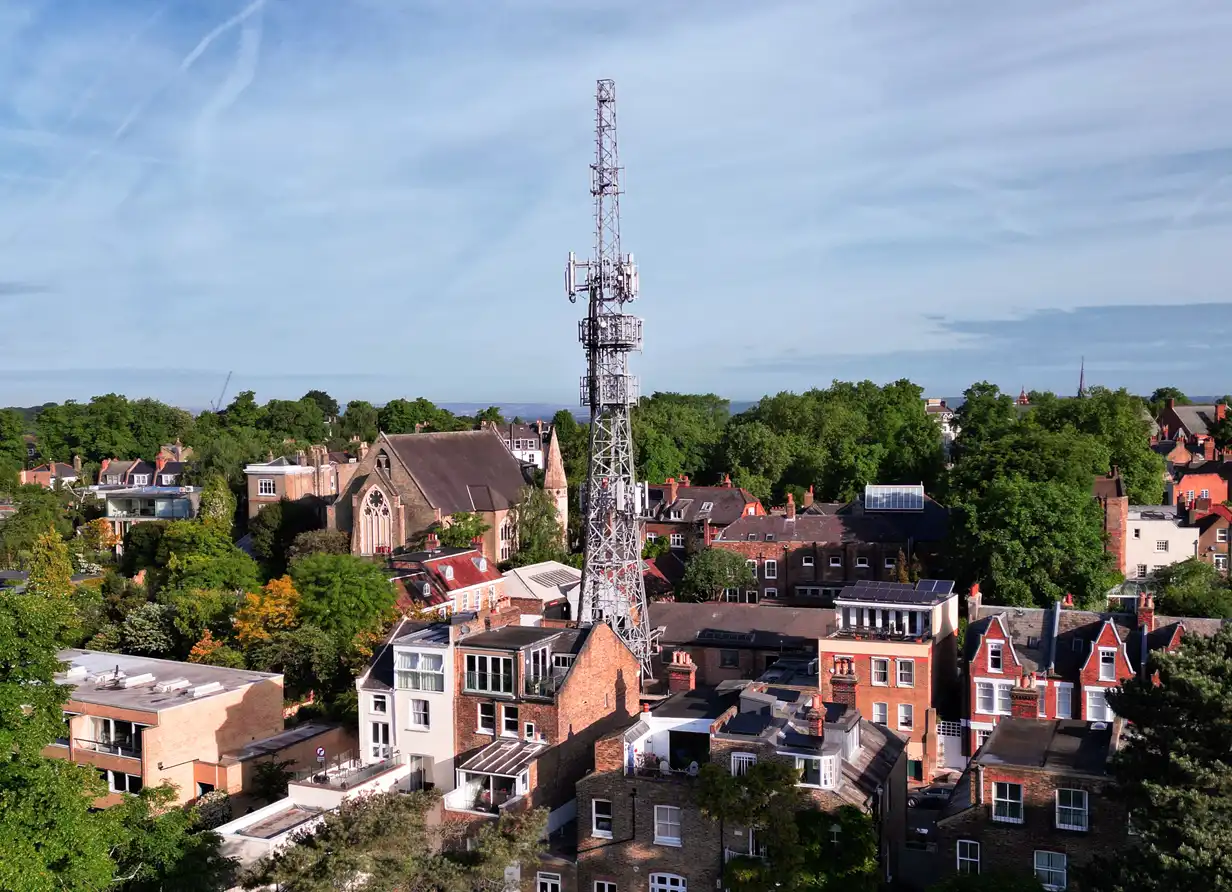
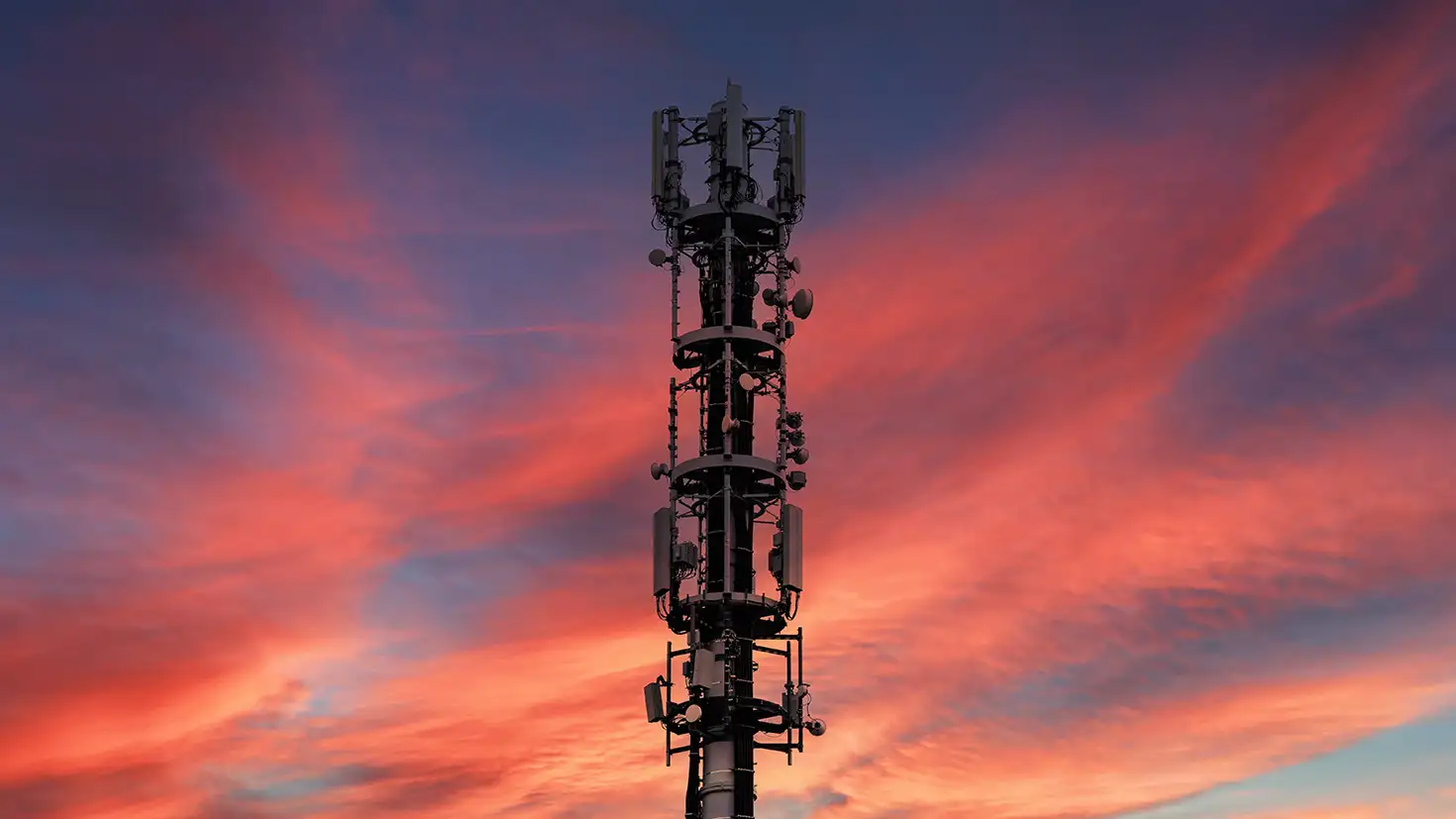
Any future commercial satellite service will complement VodafoneThree’s existing terrestrial networks by expanding and enhancing coverage in deeply remote, rural communities.
Ultimately, VodafoneThree wants to provide ubiquitous mobile coverage for its customers. There will be more news soon about the company’s satellite plans.
How do I find out more about VodafoneThree 4G or 5G coverage in my area?
If you’re a Vodafone UK customer, use the network status checker on the Vodafone UK website. If you’re a Three UK customer, use the coverage and network status checker on the Three UK website.